Tom Pelphrey on "Task,” Character Depth, and the Power of Authentic Partnership
Tom Pelphrey's Emmy nomination for Outstanding Supporting Actor in a Drama Series for his role as Robbie in HBO Max's "Task" is well-deserved recognition of a nuanced performance that exemplifies masterful character work.
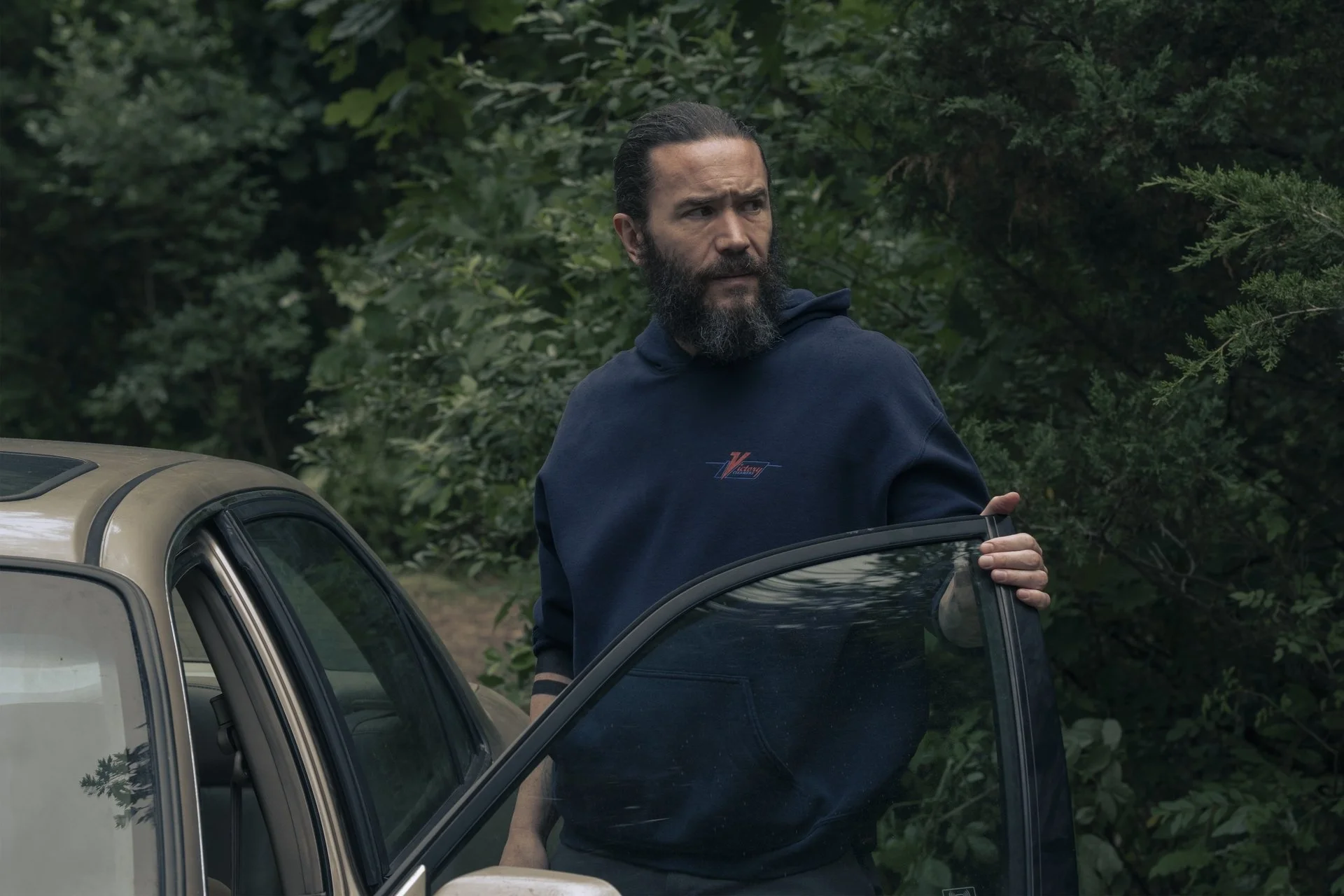
Image courtesy of Warner Brothers Discovery.
In our recent interview moderated by Jim Halterman, the actor provided compelling insights into his approach to the role and the collaborative artistry that brought writer-director Brad Ingelsby's vision to life.
Immediate Connection and Personal Resonance
Pelphrey's journey with the character began with an almost instantaneous understanding of Robbie. His blue-collar New Jersey background proved instrumental in unlocking the character's humanity, allowing him to recognize the subtle humor and interpersonal dynamics that might elude actors with different lived experiences. This personal resonance, facilitated by timing in his life as he had just become a father, demonstrates how his authentic lived experiences helped inform his character interpretation. “I felt like I understood who Robbie was immediately," Pelphrey explained, noting that his similar upbringing made the material resonate deeply.
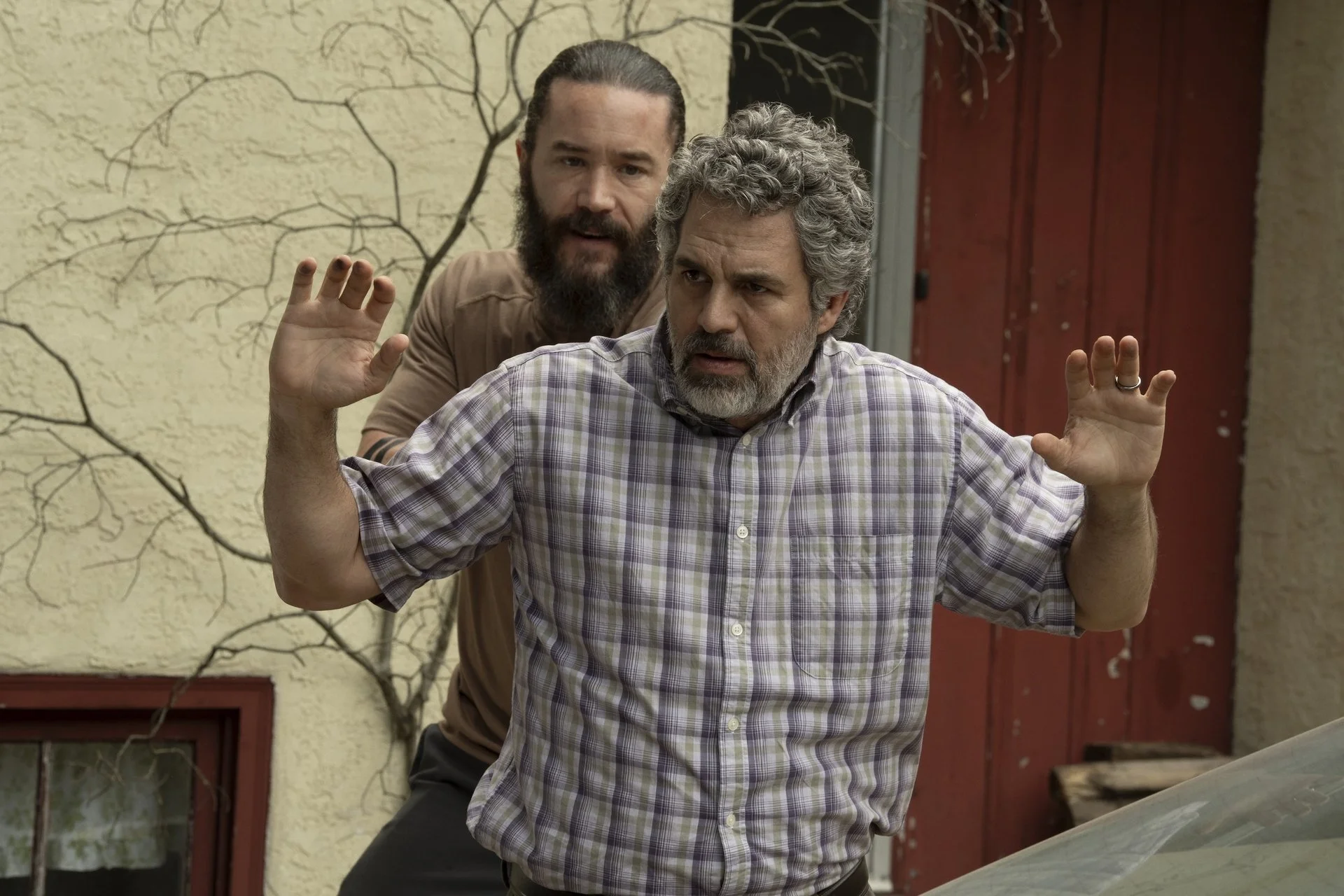
Image courtesy of Warner Brothers Discovery.
The Art of Moral Complexity
What emerges most powerfully from Pelphrey's discussion is his deliberate rejection of the binary good vs. bad character framework. Rather than viewing Robbie as a good man hiding criminal behavior, Pelphrey understood that Robbie's true self exists in domestic moments such as dinner with his children and swimming at the quarry.
"This is him. This is really him. This is what he feels forced to do," Pelphrey emphasized, distinguishing between Robbie's authentic identity and his desperate actions. The criminal activities represent what Robbie believes he must do, not who he fundamentally is. This distinction understanding of the character allows him to focus on Robbie’s lived experiences rather than passing any form of judgement.
-SPOILERS BELOW-
Collaborative Brilliance
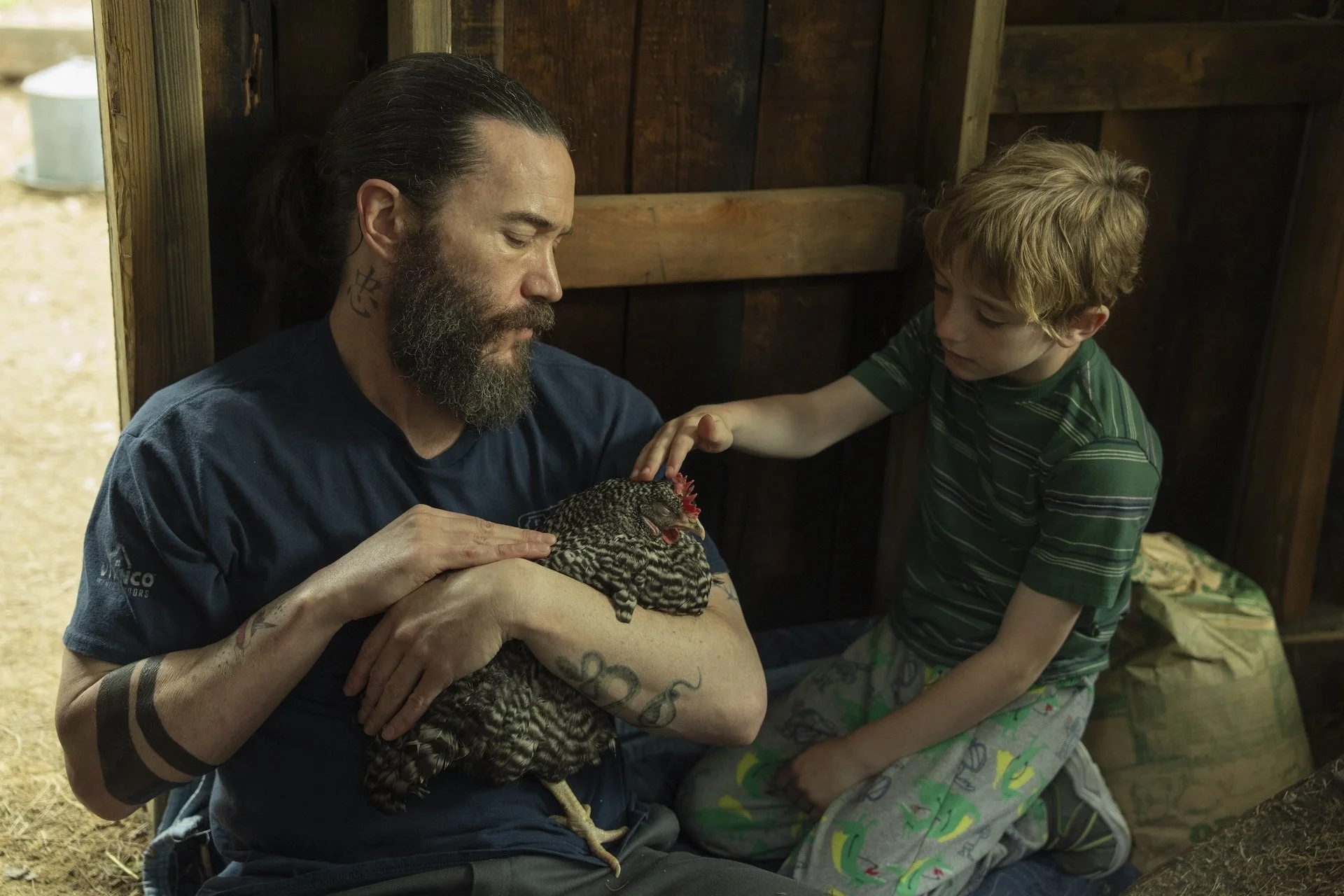
Image courtesy of Warner Brothers Discovery.
Pelphrey's recounting of working with director Jeremiah Zagar, co-star Mark Ruffalo, and young actors like Ben Platt (who plays Sam) illuminates the generosity required in ensemble storytelling. His emphasis on presence rather than predetermined performance, his attentiveness to scene partners' needs, and his willingness to embrace spontaneity created an environment where authentic human moments flourished.
The death scene with Ruffalo exemplifies this philosophy. When discussing his preparation, Pelphrey noted that "Mark always...he could also tell, like, when I needed to focus more, without ever saying a word, without asking me, he would just hold space a little different." This unspoken understanding between professionals allowed the emotionally demanding scene to achieve genuine power through restraint and mutual respect. Pelphrey approached it technically while remaining emotionally available, allowing Brad Ingelsby's beautifully written script to resonate through the specificity of human deterioration rendered with dignity and restraint.
Foundation in Craft
Pelphrey's daytime television background on "Guiding Light" provided essential professional discipline: the ability to work efficiently, maintain unwavering focus under pressure, and understand that technical mastery serves emotional truth rather than replacing it. Reflecting on his years in daytime, he noted that the experience taught him invaluable lessons about professionalism and preparation: "You either do it or you don’t, and so you get with the program of, like, I will never not do it."
This foundation explains his sophisticated understanding of production demands and his collaborative approach to supporting fellow performers. The grueling schedule of daytime television instilled habits of discipline and focus that serve him in prestige drama.
Tom Pelphrey's work in "Task" represents acting as a craft grounded in empathy, preparation, and genuine human connection. A reminder that the most compelling performances emerge not from performance, but from presence.
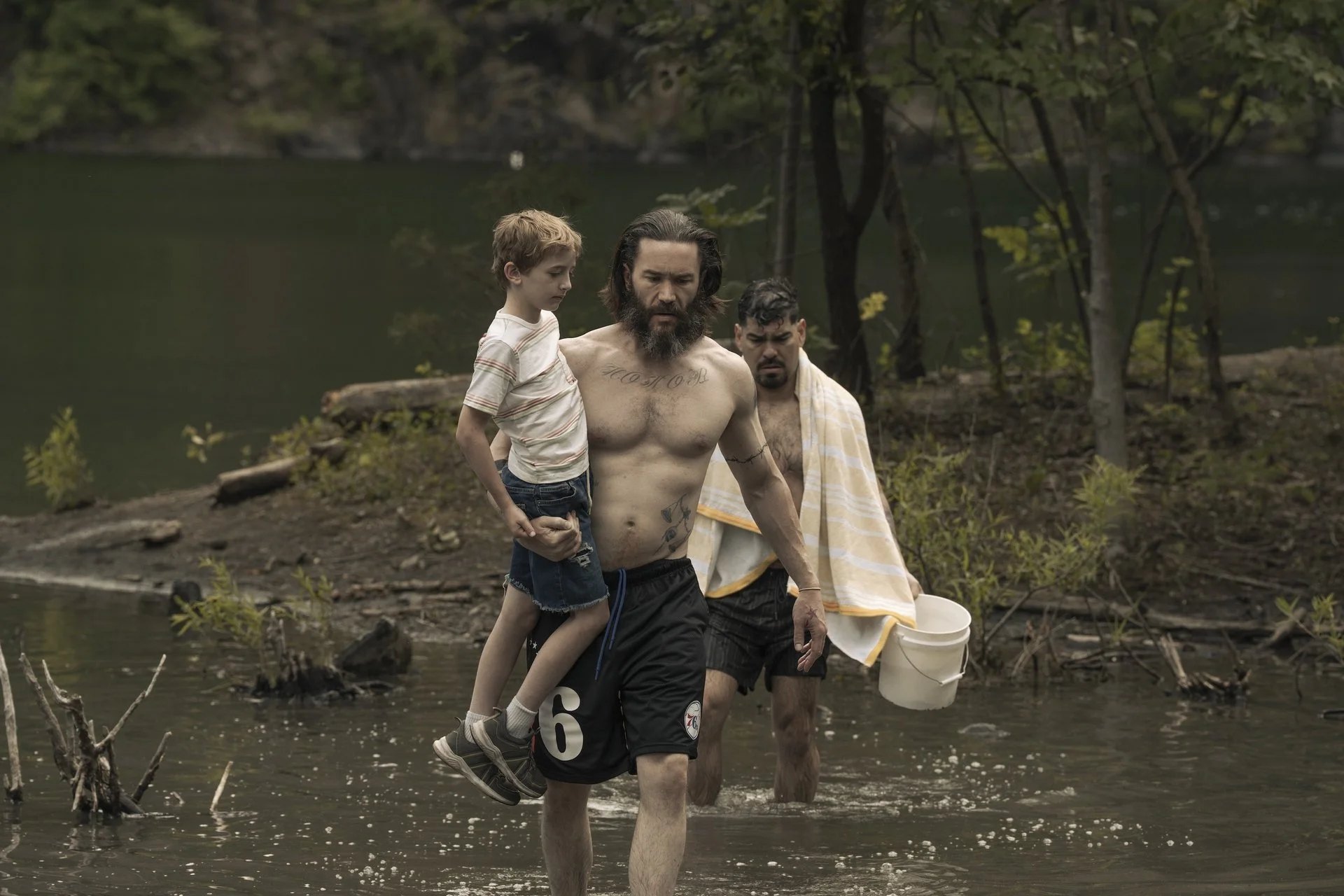
Image courtesy of Warner Brothers Discovery.