Saying Goodbye with the Editors Who Shaped Euphoria's Final Season
The Emmy-nominated cutting room team behind HBO's landmark series on closing out one of television's most emotionally volatile shows.
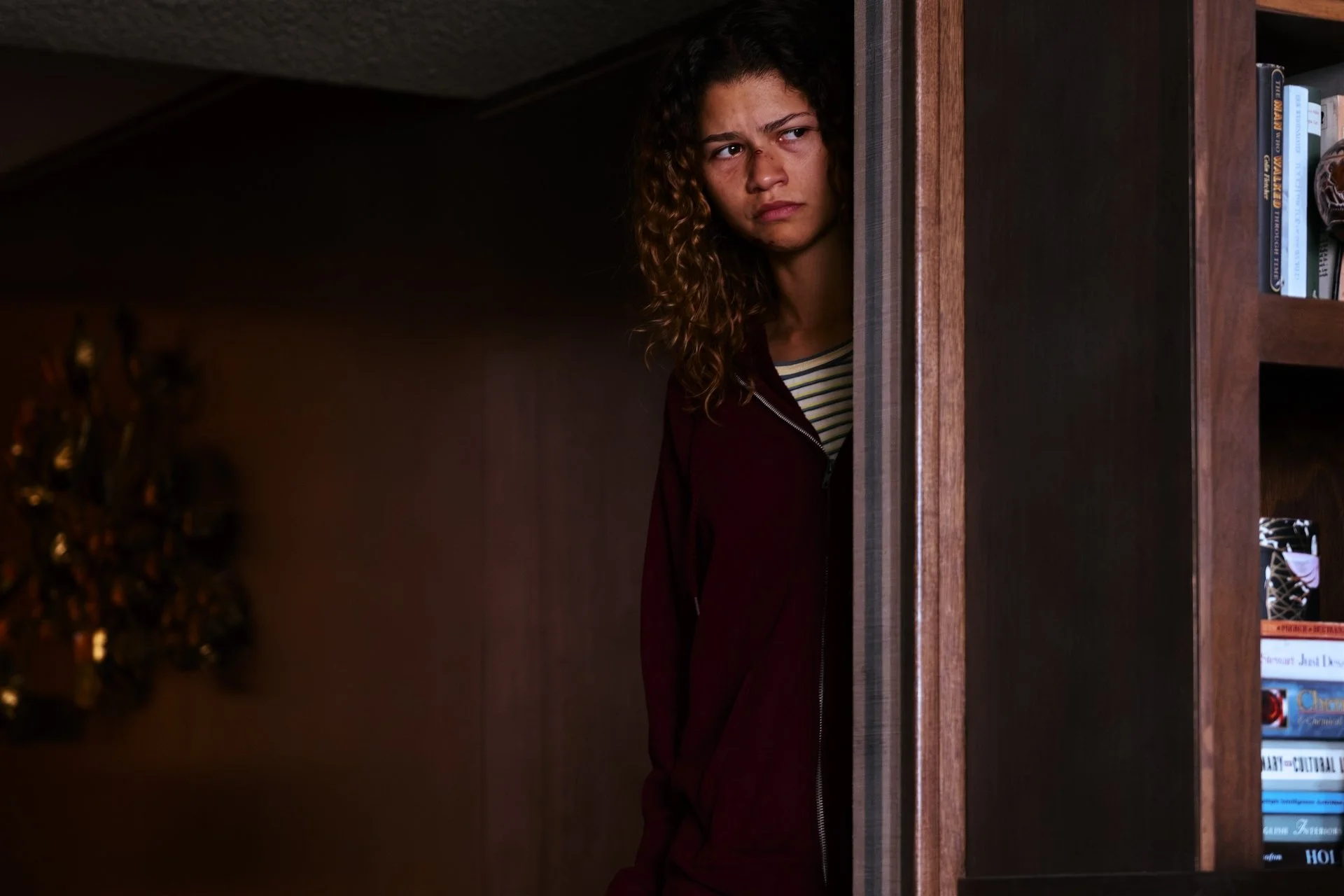
Image courtesy of Warner Bros. Discovery
Few television finales carry the weight of a series that was never quite sure it would survive long enough to have one. Euphoria — HBO's unflinching, visually audacious portrait of addiction and adolescence — ended its run with a feature-length finale that doubled as a series goodbye, and the editing team responsible for shaping it knew, at least instinctively, what was at stake.
In our recent panel moderated by Jenelle Riley, supervising editor and producer Julio C. Perez IV, ACE, was joined by editors Aaron I. Butler, ACE, Aleshka Ferrero, and Nikola Boyanov, to discuss the craft behind Euphoria 's third and final chapter.
What distinguished this team, by their own account, was an unusually close collaborative culture. Weekly screenings, shared lunches, and a constant exchange of cuts and notes produced what Perez called "group creativity.” Collective ideas that no individual would have come up with alone. Butler called it rare in television. Ferrero described it as something that demanded ego be set aside entirely. "It's all about the team, all about the collaboration, and all about the final product," she said. Decisions about pacing, music, and visual language made in one editor's bay inevitably shaped what happened in another. Working in isolation, they agreed, was simply not an option.
Leaning Into the Time Jump
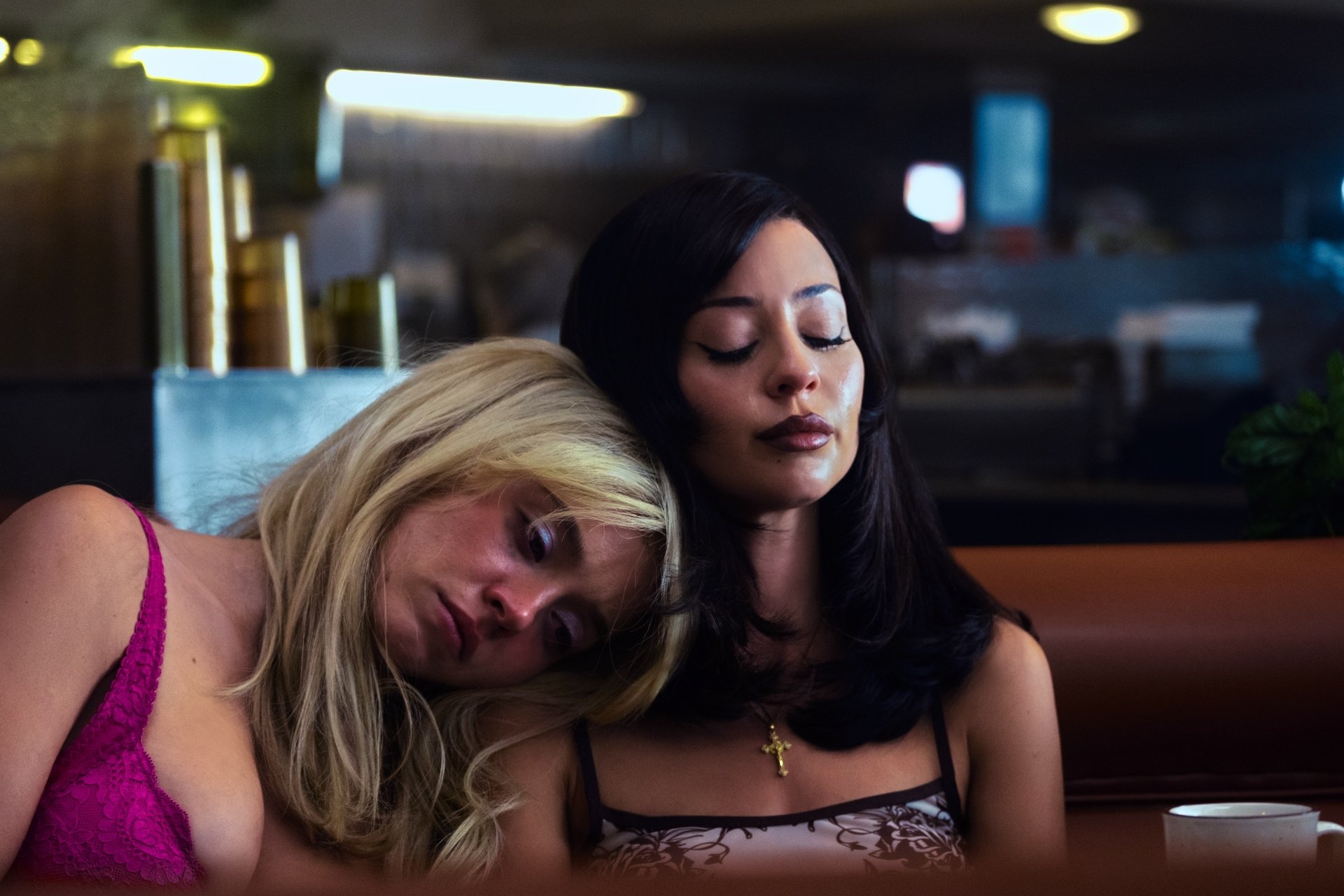
Image courtesy of Warner Bros. Discovery
Season 3 arrived with a five-year gap since audiences last saw these characters, and the team was united in their instinct to embrace it rather than paper over it. "It would have been absurd to have it in high school," Perez said plainly, noting that the show was never really about the institution anyway. Creator Sam Levinson was equally intentional about dropping the characters into what Perez described as "a wide, somewhat terrifying real world."
For Butler, the jump opened up creative territory the show hadn't previously explored. The season's unexpected Western thematic framework gave the editorial team a fresh palette to work with. "We don't like to repeat ourselves," he said. "We always want to be looking for the most creative way to do something."
The Opening Sequence and the Death of Rue
Two sequences stood above all others in the panel's conversation: the season's opening action set piece, and the death of Rue. The moment that, in the weeks after broadcast, sparked what Butler described as a solid week of collective mourning online.
The latter fell to Ferrero, who built Rue's fentanyl overdose into an ethereal, kaleidoscopic collage of memory and hallucination. Much of its architecture was scripted, but the editing pushed it further by weaving in footage from earlier seasons, including a quietly devastating tribute to the late Angus Cloud, which arrived late in the process as a spontaneous idea from Levinson in the edit bay. Small insertions of footage from a pivotal Season 2 episode were threaded in as what Ferrero called "Easter eggs" for close watchers, but more fundamentally as an attempt to capture the sensation of a life flashing before its end.
"We were all crying when we were watching these sequences," Ferrero said. Butler added that he had cried reading the script, cried watching the first cut, and cried every subsequent time. "Every time," Ferrero confirmed.
The Shootout, and the Cut That Surprised Everyone
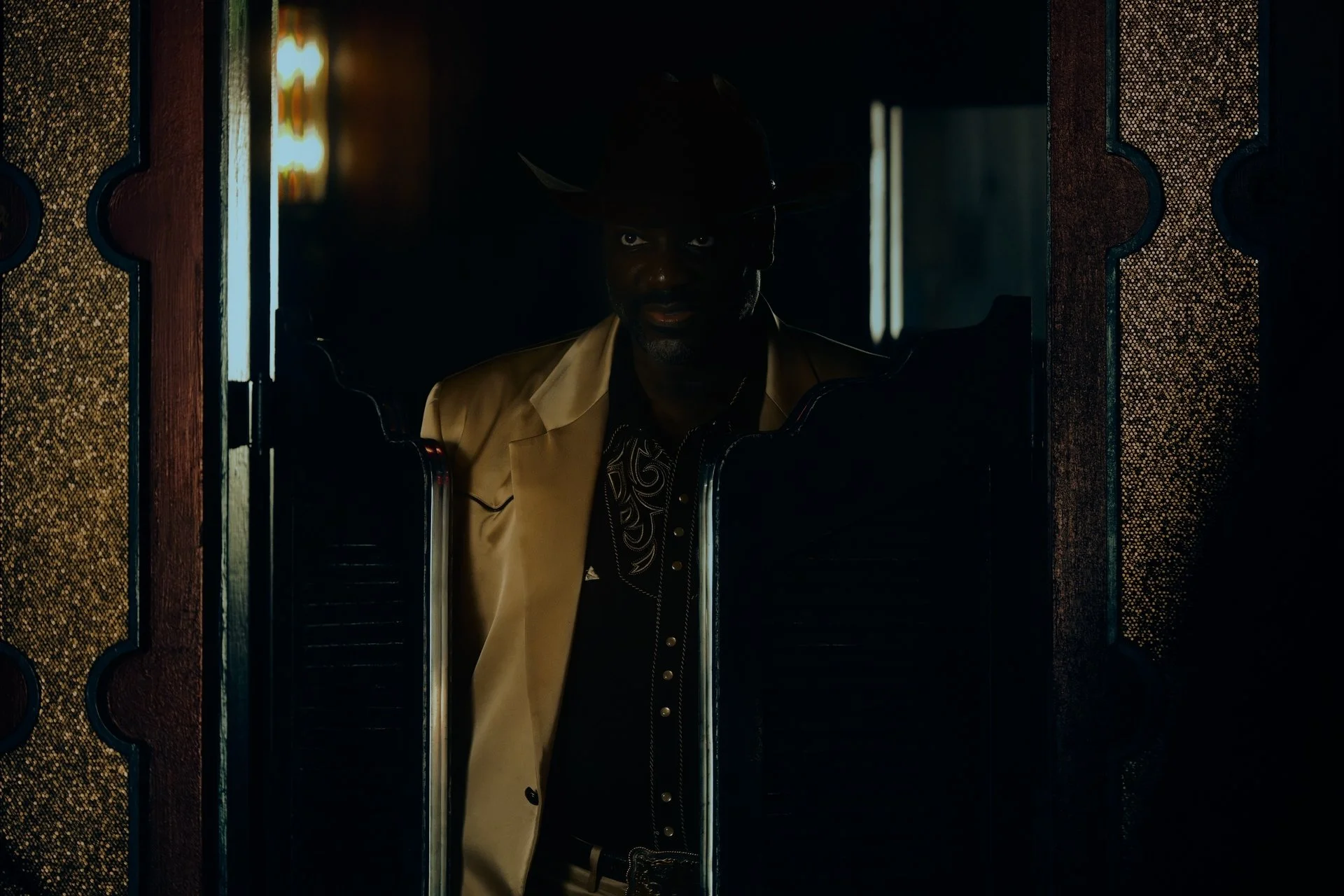
Image courtesy of Warner Bros. Discovery
The season's multi-character, spatially complex climactic shootout was assigned to Butler with Perez's deliberate intent. Getting the geography of a crowded room right while keeping audiences emotionally grounded in each character required, as Butler described it, constant attention to where every "chess piece" was in the space at any given moment.
The cut that ultimately defined the sequence was one Levinson hadn't anticipated. Rather than holding on a character's reaction before a fatal shot, Butler and Perez opted to interrupt the moment. Levinson tried several alternatives before returning to it. When the finale screened for 600 people in New York, that moment produced what Butler called an eruption. "That's what we live for," he said.
The Last Scene
Perez quietly claimed the final scene of the series for himself. Returning to the homestead that had bookended the season, it was designed to be, in his words, "elegant, quiet, unobtrusive." A poetic space for the audience to say goodbye to Rue alongside a character played by Coleman Domingo. He was candid about the personal dimension of the choice. "It was a way of saying goodbye for me," he said. "It helped me have a little closure."
That the show reached a hopeful final note was something Perez described as both beautiful and bittersweet. The loss of real people connected to the series, including Cloud and others, shadowed the conversation throughout. "That goes deeper," he acknowledged. "But you still feel a sense of loss for Rue."
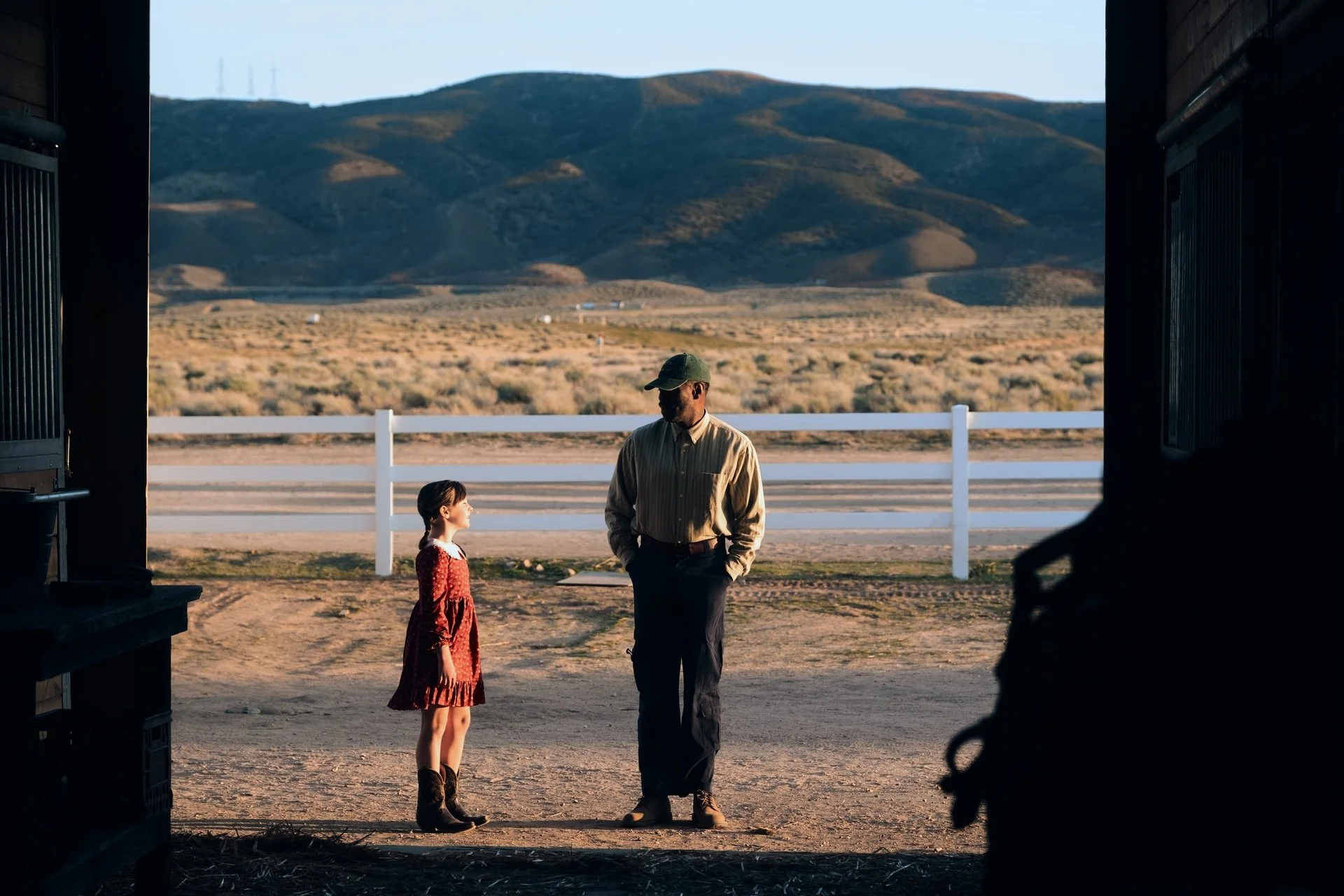
Image courtesy of Warner Bros. Discovery