How “Beef” Season 2 is Reshaping Television with Controlled Chaos and Uncompromising Artistry
A Conversation with Youn Yuh-jung and Charles Melton reveals the secrets behind Netflix's most audacious series.
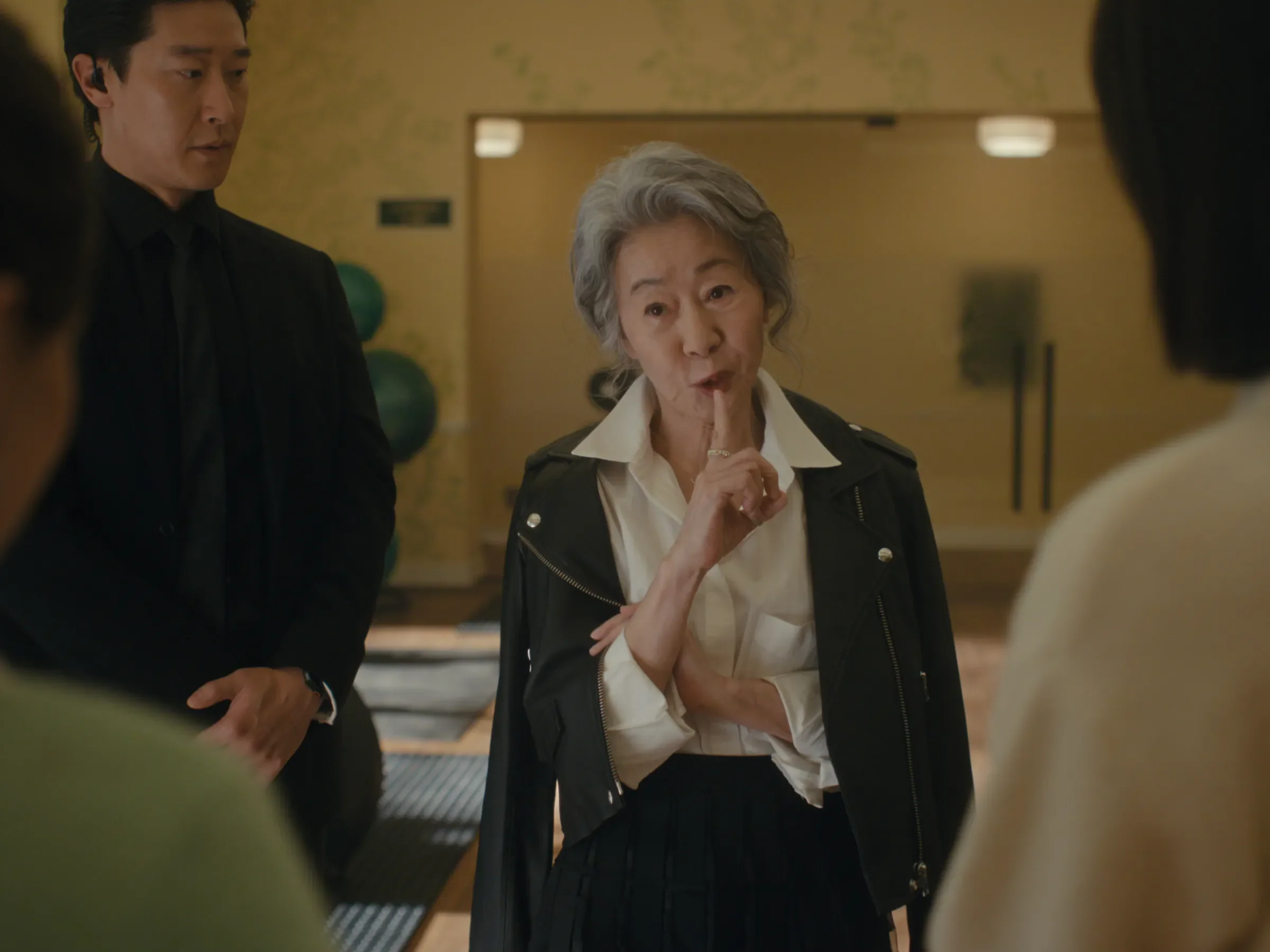
Image courtesy of Netflix.
In an era when television production is increasingly streamlined and systematized, Netflix's Beef represents a radical act of faith from its creator and its cast. Our recent conversation with Emmy-nominated stars Charles Melton and Youn Yuh-jung illuminated what makes Lee Sung Jin’s sophomore season such a phenomenon, racking up 16 Emmy nominations and cementing the series as a massive moment in current television.
An Environment of Trust
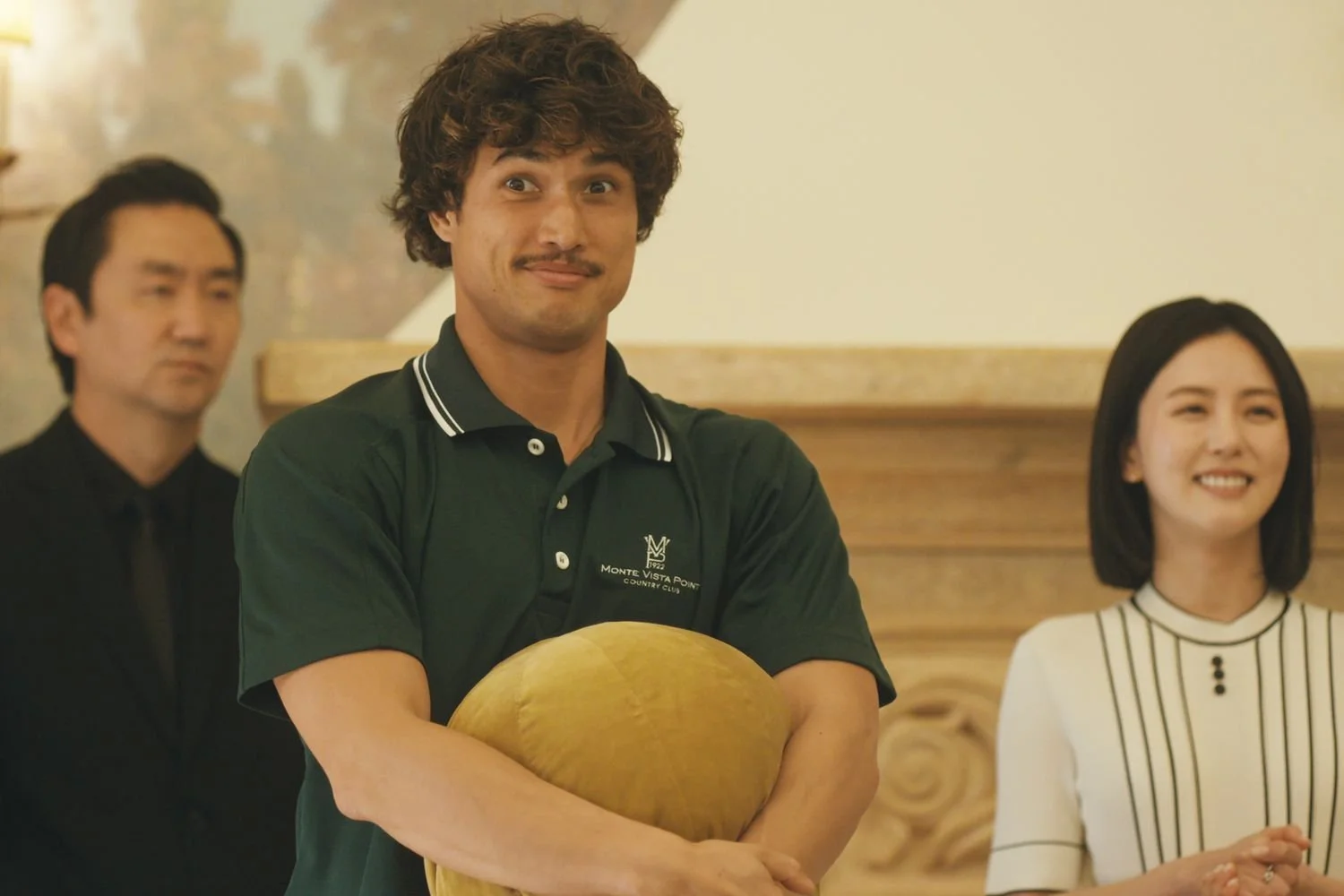
Image courtesy of Netflix.
From the outset, it’s clear that Lee’s omniscient presence on set created a safe environment for the actors. Youn describes him as her "security blanket" and emphasized, "He was always there. So you can ask." This accessibility became critical when Youn received conflicting information about her character's narrative arc, or when scenes required last-minute adjustments for her language comfort. Lee didn't just adapt; he fundamentally restructured a pivotal monologue scene to allow Youn to deliver her most powerful moment without distraction, removing fellow actors entirely to give her the space her performance required.
It's directorial sensitivity of the highest order, the kind that suggests Lee understands that great television isn't made through control, but through understanding your artists and creating conditions for them to thrive.
Korean Influence
The show oscillates between tones with apparent recklessness, yet does so with surgical precision. Characters behave atrociously, yet remain unmistakably human. Scenes that would traditionally be played for pathos suddenly veer into the absurd. This tonal complexity, which Melton correctly identifies as distinctly Korean, may not have worked in other hands. Yet it does here, because audiences have proven they're hungry for storytelling that refuses easy categorization.
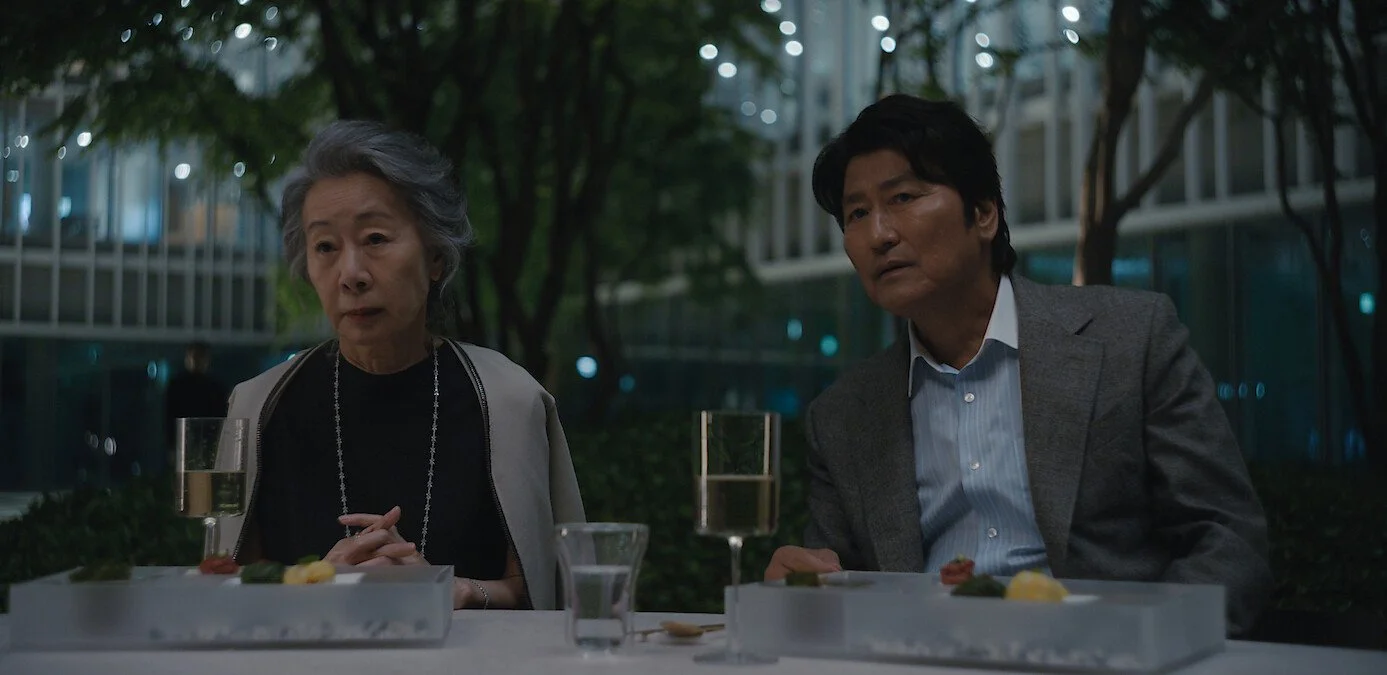
Image courtesy of Netflix.
Melton's references Memories of Murder and Song Kang-ho's ability to extract comedy from drama. In the same vein, this illuminates something crucial about Beef 's aesthetic DNA. Youn agreed, “I felt the same way, because Sonny has some Korean-ness there. It's in his heart. So I can connect with him.”It's a fundamental reimagining of what television can be when a Korean sensibility infiltrates Hollywood systems.
The decision to film the final episodes in Korea carried unexpected emotional weight for Melton, whose Korean mother and childhood experiences in Seoul made the production's return a homecoming of sorts. Yet this personal investment never veered into sentimentality. Instead, it deepened his commitment to the material and his understanding of the world the show inhabits. Youn, meanwhile, brought an irreplaceable authenticity simply by being home. Her comments about listening to the crew, establishing her authority, and her warm humor throughout the interview demonstrated an actress fully invested in the show's success.
A Collaborative Ensemble Experience
Melton and Youn both credit Lee’s casting instincts and his ability to understand "puzzle pieces" and how they fit together. Yet they also emphasize something often overlooked: the profound professionalism of the ensemble itself. Working opposite powerhouses like Song Kang-ho, Oscar Isaac, Carey Mulligan and Cailee Spaeny, both Youn and Melton never felt diminished. Instead, they describe a collaborative spirit where everyone elevates the work. Melton notes that he simply "showed up and watched" great work happen.
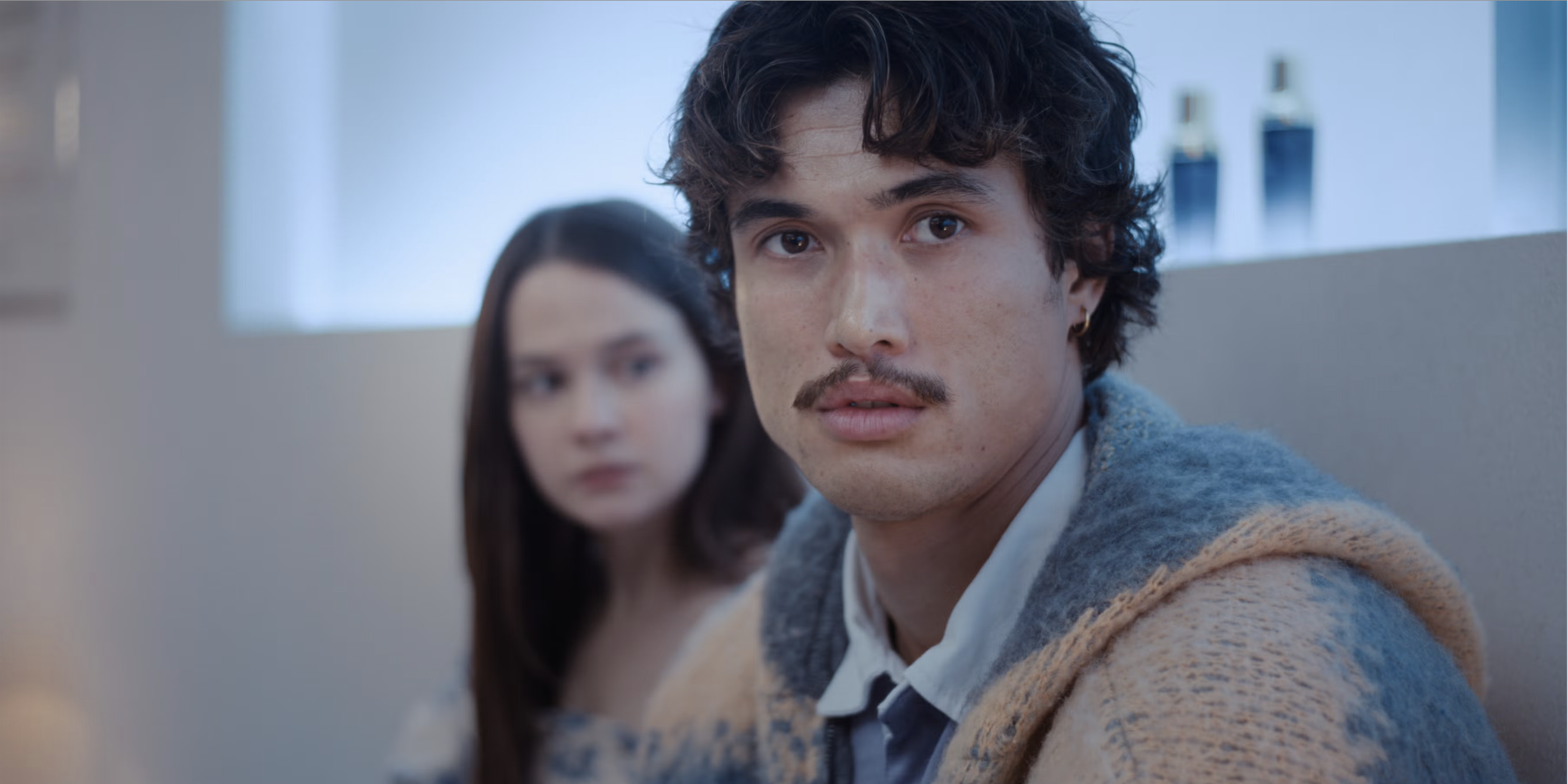
Image courtesy of Netflix.
If Beef Season 2's 16 Emmy nominations represent a turning point, it's because Lee Sung Jin proved that television's most powerful moments emerge not from control, but from controlled spontaneity. From trust between creator and performer. From being willing to not have all the answers, and allowing artists to discover them together. To use Melton's phrase: "Doing nothing is doing everything."
It's a philosophy that feels distinctly un-American, refreshingly anti-algorithm, and absolutely essential for what television could become. The experiences shared here by Youn and Melton are representative of making meaningful art in an industry increasingly opposed to risk.