Discussing the Documentary TWIGGY with the Icon Herself and Director Sadie Frost
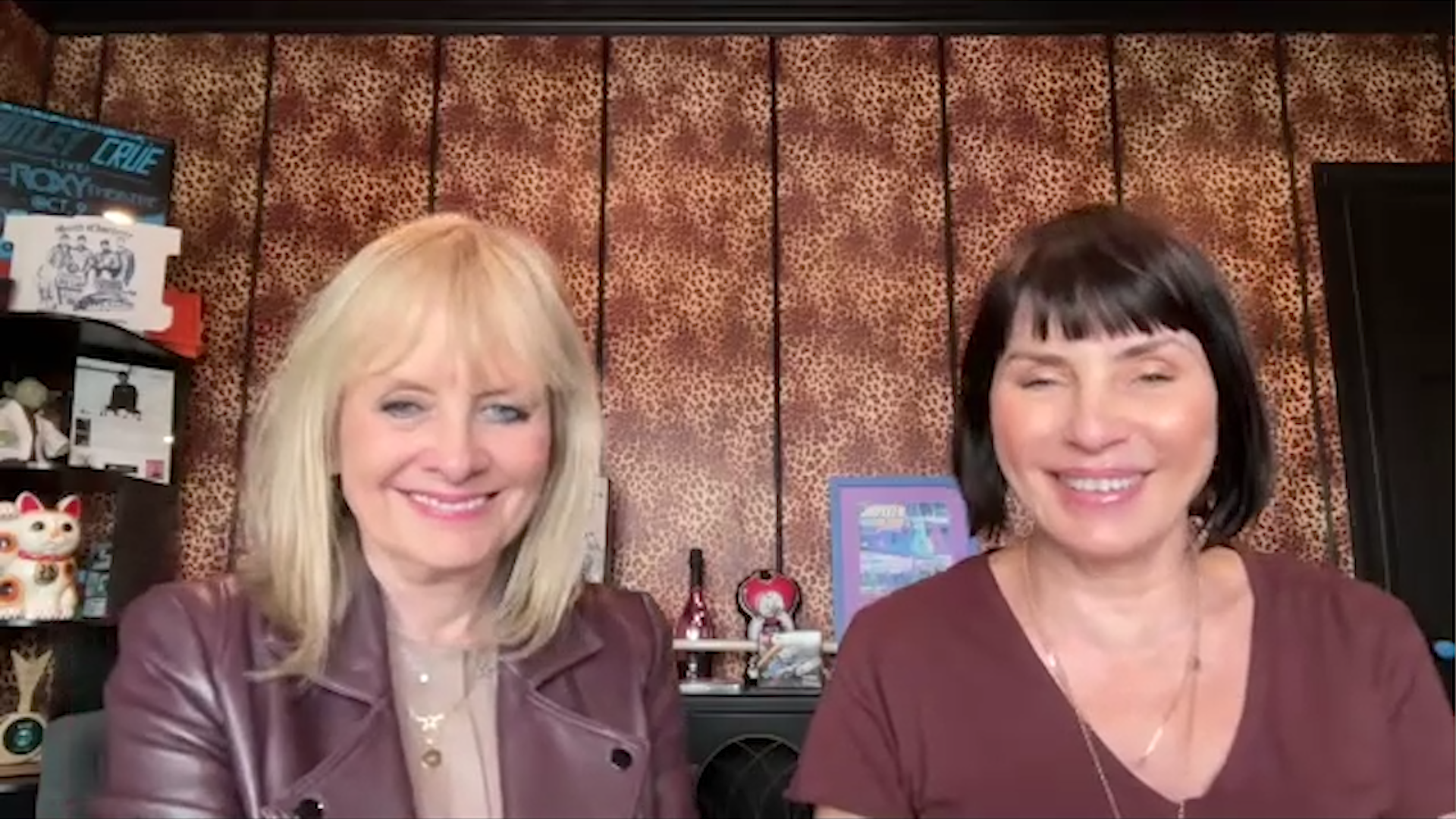
Walking into an interview with Twiggy, one of the most recognizable faces in the history of fashion and culture, is not something you take lightly. But what struck me almost immediately was how warm, grounded, and genuinely funny both she and director Sadie Frost were together. This wasn't just a promotional interview. It felt like sitting down with two friends who happened to have made something truly special together.
The documentary, simply titled Twiggy , tackles the near-impossible task of distilling an extraordinary life into a single film. The discipline required to shape decades of modeling, acting, singing, Broadway, activism, and motherhood into one cohesive narrative was clearly one of the great challenges of the project. What became evident quickly was how organic the entire collaboration had been. Twiggy had been approached about a documentary many times and had always stepped back from it. The emotional commitment alone was daunting. But it was a appearance on Twiggy's own podcast, Tea With Twiggy , that brought Frost into her world. Frost had directed Quant , a documentary about designer Mary Quant, and Twiggy had been so impressed that she encouraged her to make another. And what better subject could you have to further explore the 1960s modeling industry?
Listening to them talk about building that trust was genuinely lovely. Frost spoke about reaching a point in life where she refused to work with people who weren't kind or in environments that felt toxic. Twiggy nodded along like she felt every word of that. You could just tell these two really get each other. They've become close friends through the whole process and it shows.
One of my favorite moments came when I asked about the archival footage and what it was like piecing it together. Twiggy laughed that she wished she had a dollar for every photograph ever taken of her, while Frost spoke passionately about the challenges of licensing. The Muppet Show footage, for example, was simply too expensive to include, a frustrating reality of documentary filmmaking. However, the rare 1967 documentary footage of Twiggy's first arrival in America did make it in.
I was particularly fascinated by the use of animation throughout the film. Sadie had planned it from the very beginning as a way to bring Twiggy's incredible storytelling to life visually, particularly for stories where no footage existed, like her encounter with Phil Spector and breakfast with Paul McCartney. Twiggy admitted she had been slightly skeptical at first, but was completely won over once she saw it. Or as she says to Frost with a laugh, "You were right. I was wrong."
The conversation also turned to the film's heavier moments such as Twiggy's mother's mental health struggles and the death of her first husband, Michael. These were, Twiggy explained, precisely the reasons she had long hesitated to make a documentary. But what came through clearly was that her primary concern was never about herself. It was about protecting her daughter, Carly, whose own appearance at the end of the film apparently delivers one of its most powerful and honest moments.
What stayed with me most, though, was the film's deeper message. One about individuality, about defying expectations, about proving that there is no such word as "can't." Twiggy broke every mold that existed for what a model, a woman, or a working-class girl from London was supposed to be. Here we are decades later, that message is as resonant as ever. And sitting across from her, you understand completely why she's still on mood boards and in the hearts of women everywhere.
It was an absolute privilege to sit down with both of them, and I left the conversation with the same feeling I imagine audiences will have after watching the documentary — inspired, moved, and smiling.