East of Eden (Cathy's Version)
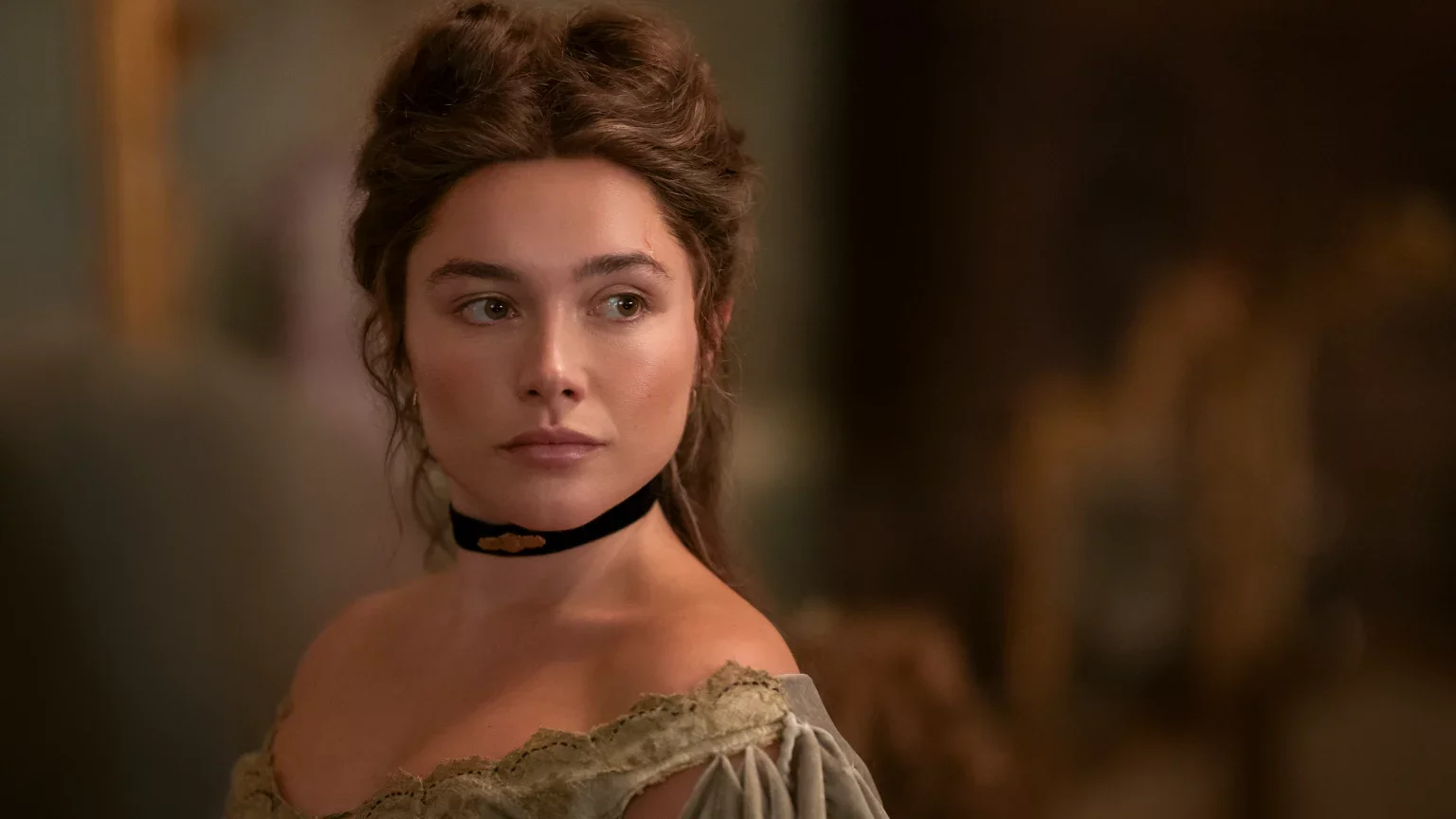
Image credit: Netflix
In one of this fall’s most anticipated series, Florence Pugh plays the role of Cathy Ames in East of Eden, the latest adaptation of John Steinbeck’s 1952 multi-generational epic. In the novel and previous adaptations, Cathy serves as the novel's main antagonist and is portrayed as manipulative, parasitic, and the embodiment of evil. Cathy is defined by her sexual proclivity and desire to feel uncaged by men looking to control her. Creator and Showrunner Zoe Kazan’s new retelling argues that Cathy is not the face of evil, but a woman doing what she must to survive the time she was born into. A far more compelling argument than Steinbeck ever made.
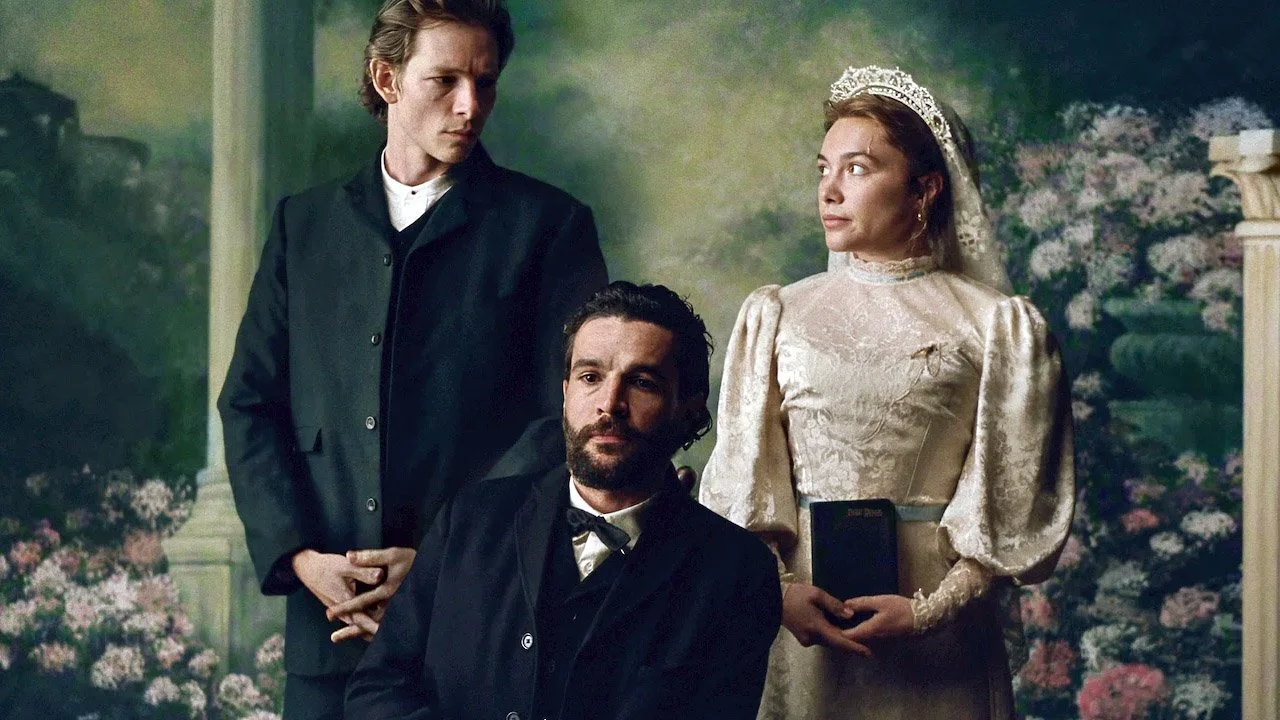
Image credit: Netflix
Certainly Cathy Ames is not a good person. She is capable of cold-blooded murder, amongst other sins. She lies and misguides those around her to achieve her goals. Evil is easy to assign for simplicity, but complexity is harder to sit with. Pugh’s depiction of the character enhances this lens, a fabulous casting choice by Kazan. Viewers come into the story already with admiration and respect for her, allowing us to ask if her actions are truly evil or justifiable in context. The series opens with Pugh beat and broken, climbing to safety. An intentional choice to immediately frame her as a victim without any further context.
As we get to the second episode, we start to learn more about the mystery of Cathy. How her beauty and intelligence made her a target and the object of many men's desires. From a young age, she learned to use these tools to stay several steps ahead of those pursuing her. What else is a girl to do? In the late 1800s, what other tools might she have at her disposal, if any? This adaptation gives her additional agency in a time when most women have none.
For a book about the ability of overcoming sin, framing Cathy as pure evil feels reductive. Does she do evil deeds because she is rotten to the core? Or because she chooses to when backed into a corner? Thou MAY conquer sin, but that does not mean you will. We cannot accept free will without also accepting that some people simply choose to do the wrong thing. In fact this interpretation better sets up the emotional journey Cathy goes on and where she eventually ends up at the story’s conclusion.
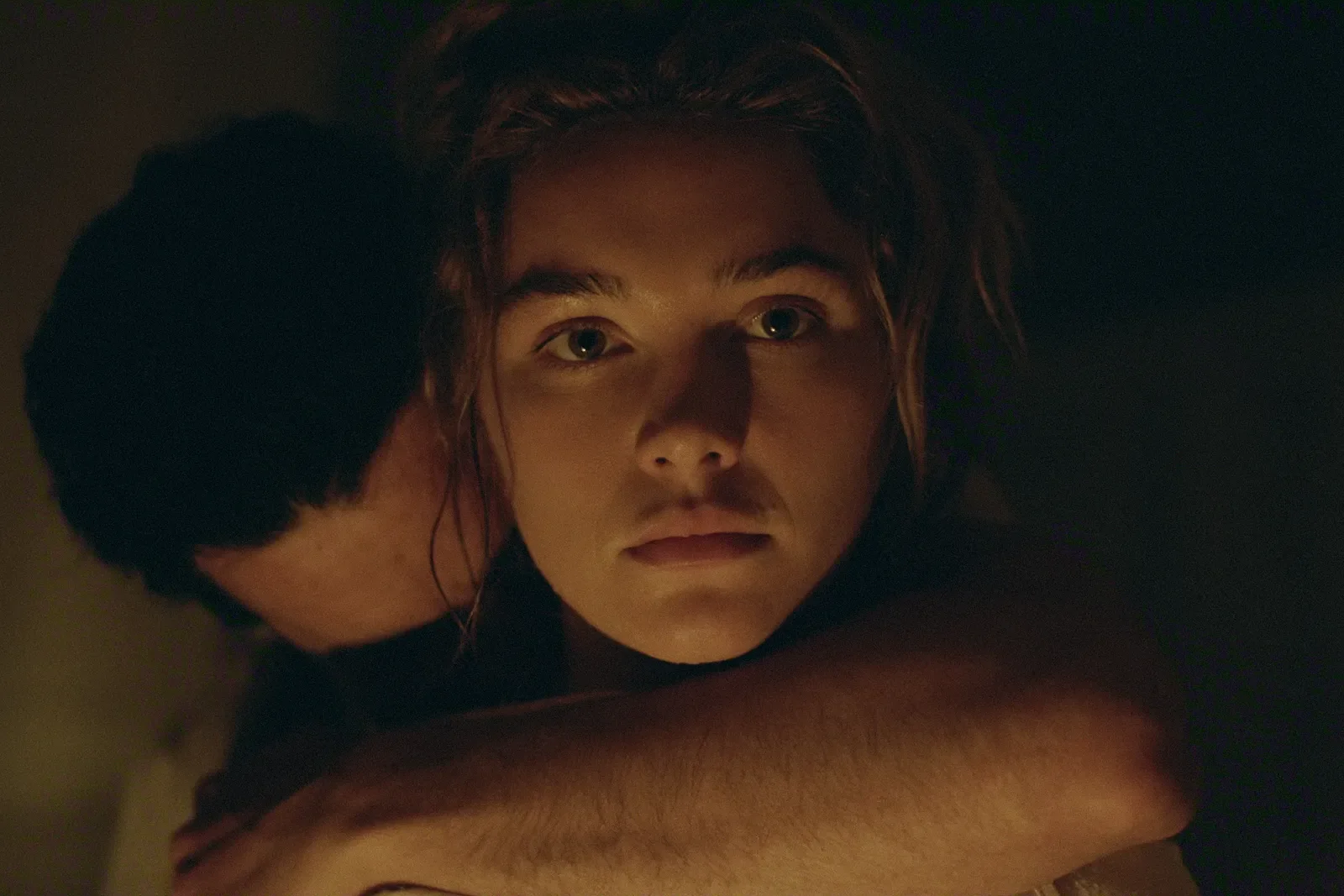
Image credit: Netflix
When living with the Trasks, Cathy is immediately comforted by Adam. He is her savior and protector, and represents the better person she wishes she could become. The two brothers, Adam and Cal, represent this moral crossroads for Cathy. The choice between choosing goodness and righteousness in Adam, versus the lust, anger, and greed in Cal. But despite agreeing to be with Adam, she is drawn to Cal, who she sees as a similar soul to her own. This recognition in part drives her to Adam, as if fearful of making the wrong choice at this crossroads.
Unfortunately for Cathy, a marriage to Adam doesn’t solve all of her problems. Adam wants to uproot their life and move to Salinas, California to start fresh. Being the man of the house, Adam gets full say and Cathy’s wishes do not matter. The safety she thought she had obtained was in fact a gilded cage. Adam believes he loves and reveres her, but does not see or hear her suffering. Cathy does not want her pregnancy, but Adam is overjoyed. All of the traditional expectations of a woman of this time further trap Cathy and push her to her mental breaking point as she begins to thrash against her cage. How can we, as viewers, not relate to this? How often have women been told by men what is “best” for them when it goes against the very desires of their own hearts?
Through Cathy’s pregnancy and birth of her children, we see these circumstances with compassion. She is not evil, she is a woman in the wrong time suffering from postpartum depression. Adam says at one point, “My wife is one of those paragons of a woman who does not talk very much” without ever questioning why she might not be speaking to him. For Adam, the concept of abuse is limited to the physical violence he experienced at the hands of his father and witnessed with his own parents. He is unable to grasp the emotional abuse he is inflicting upon Cathy by separating her from everyone she knows, isolating her, and forcing her to do nothing but carry these children. He puts her on a pedestal, but does not see who she is at all.
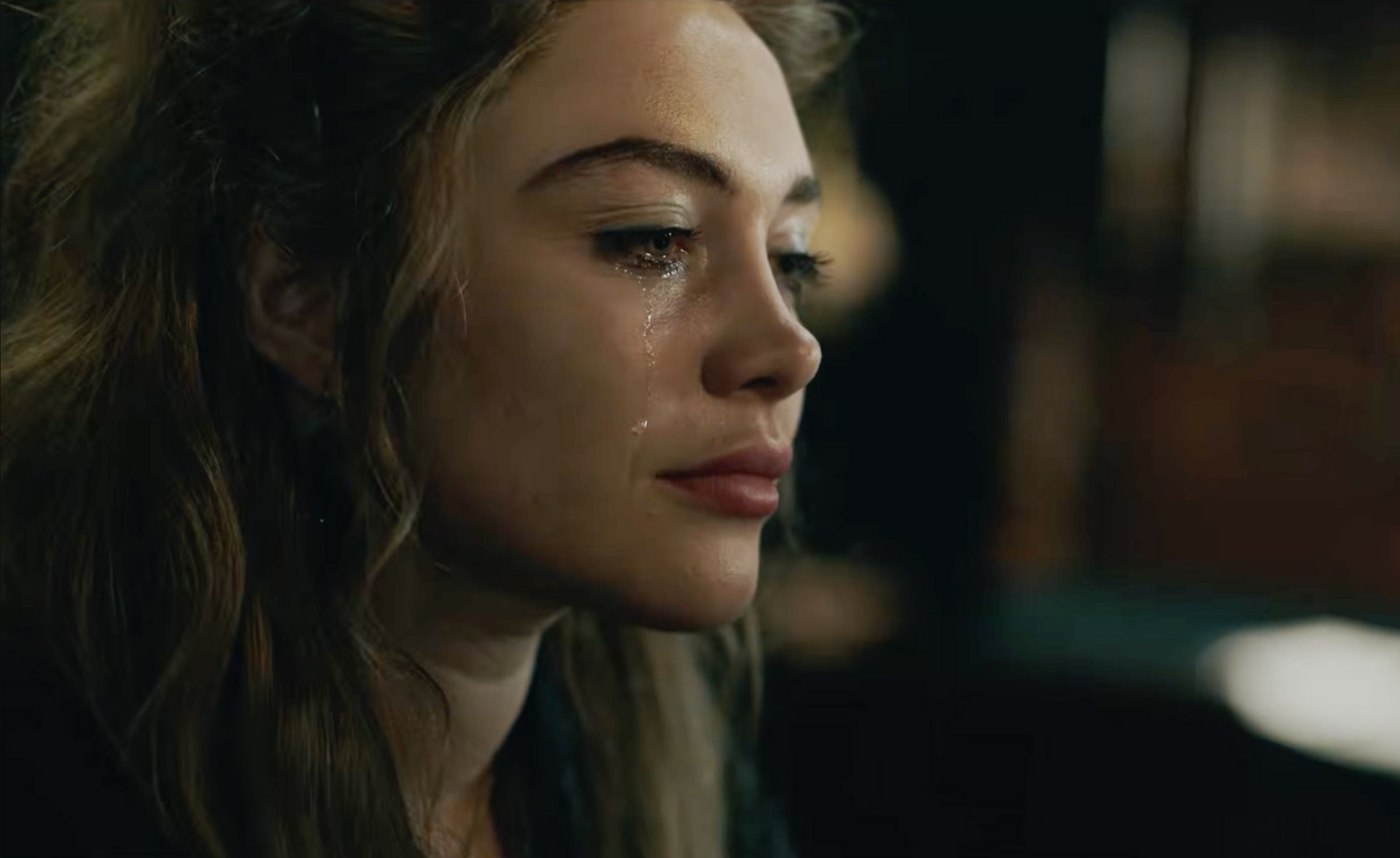
Image credit: Netflix
When Cathy is finally able to make her bid for freedom, Adam can only grasp that she is a mother leaving behind her family. He attributes this decision to one dimensional evil, not the part he played in driving her there. We see Cathy go on to build a better life for herself, although her acquaintances of the time do not see it that way. But it is hers, and she builds it herself. Something she has been unable to do up until this point.
When that life is threatened and her peace is at risk, she lashes out and makes bad choices again and again. The series does not go so far as to say that premeditated murder is excusable in certain situations, but understanding that her choices are limited allows us to have empathy for her. Cathy’s self preservation and willfulness have served her well so far, so she continues to rely on these tools. She knows how to use her gentleness and appeal as a weapon. When she sees someone constructing another beautiful cage to place her in, so they can project their desires and wishes upon her without her consent, she reacts the way she has been conditioned to.
Most importantly, despite the ruthlessness of her actions, she does not remain entirely free from guilt. In fact it is much more believable that this version of Cathy would wind up where she does at the conclusion of the story. Kazan and Pugh have made Cathy Ames human. By grounding her choices in circumstance, trauma, and survival, they have crafted a character whose crisis of conscience feels earned. This is not a story about a woman born wicked, it is a story about what the world makes women become.